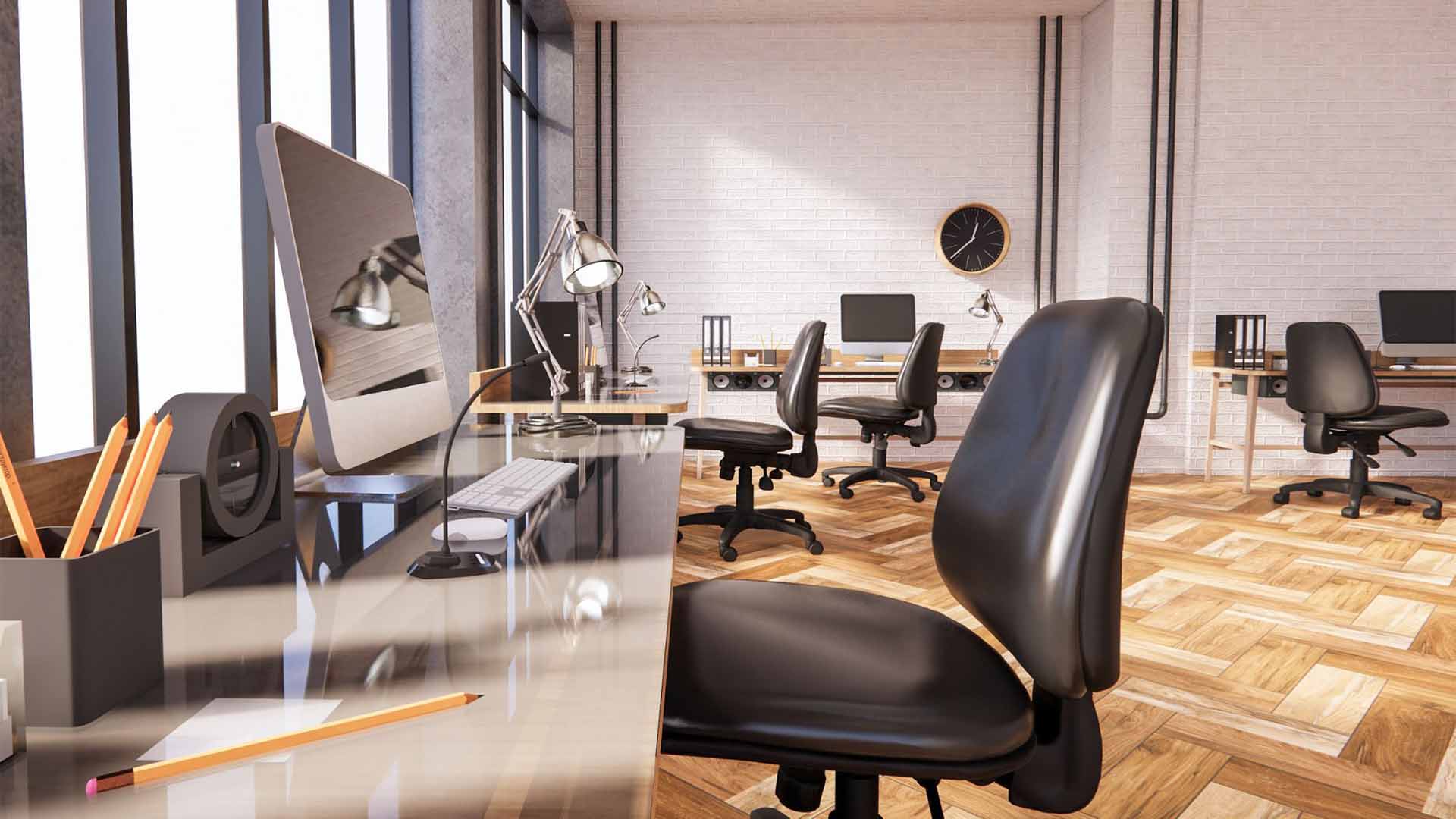
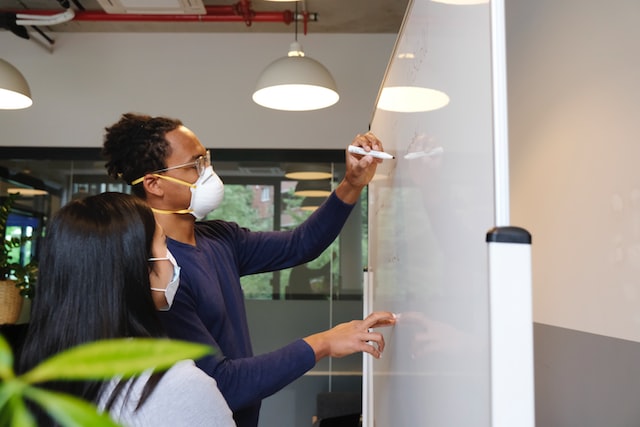
Flexible office spaces are contemporary workspaces designed to accommodate the dynamic business needs of different companies while offering a mix of open and private work areas. Unlike traditional office spaces, several organizations share the same building and access shared information technology (IT) infrastructure, office furniture, conference rooms, and ready-to-use office equipment. Employees in a flexible office space can readily plug in and begin working on different projects without worrying over setup and service charge costs.F1.
Workspace flexibility is a top priority for today’s businesses
There is no doubt that workspace flexibility is a top priority for businesses today. With the rise of remote work and the ubiquity of mobile devices, businesses need to be able to provide their employees with the ability to work from anywhere, at any time.
This means that businesses need to have a workspace strategy that takes into account the needs of their employees. Employees need to be able to find a workspace that suits their needs, whether it be a traditional office, a coworking space, or a remote location.
The right workspace strategy can help businesses to improve employee productivity, satisfaction, and retention. It can also help to reduce costs and increase profits. But with so many options available, it can be difficult to know where to start.
How can facility managers make the most of flexible office space?
Flexible office space can be a great asset for facility managers. By understanding how to make the most of this type of space, you can create a working environment that is both functional and comfortable for employees.
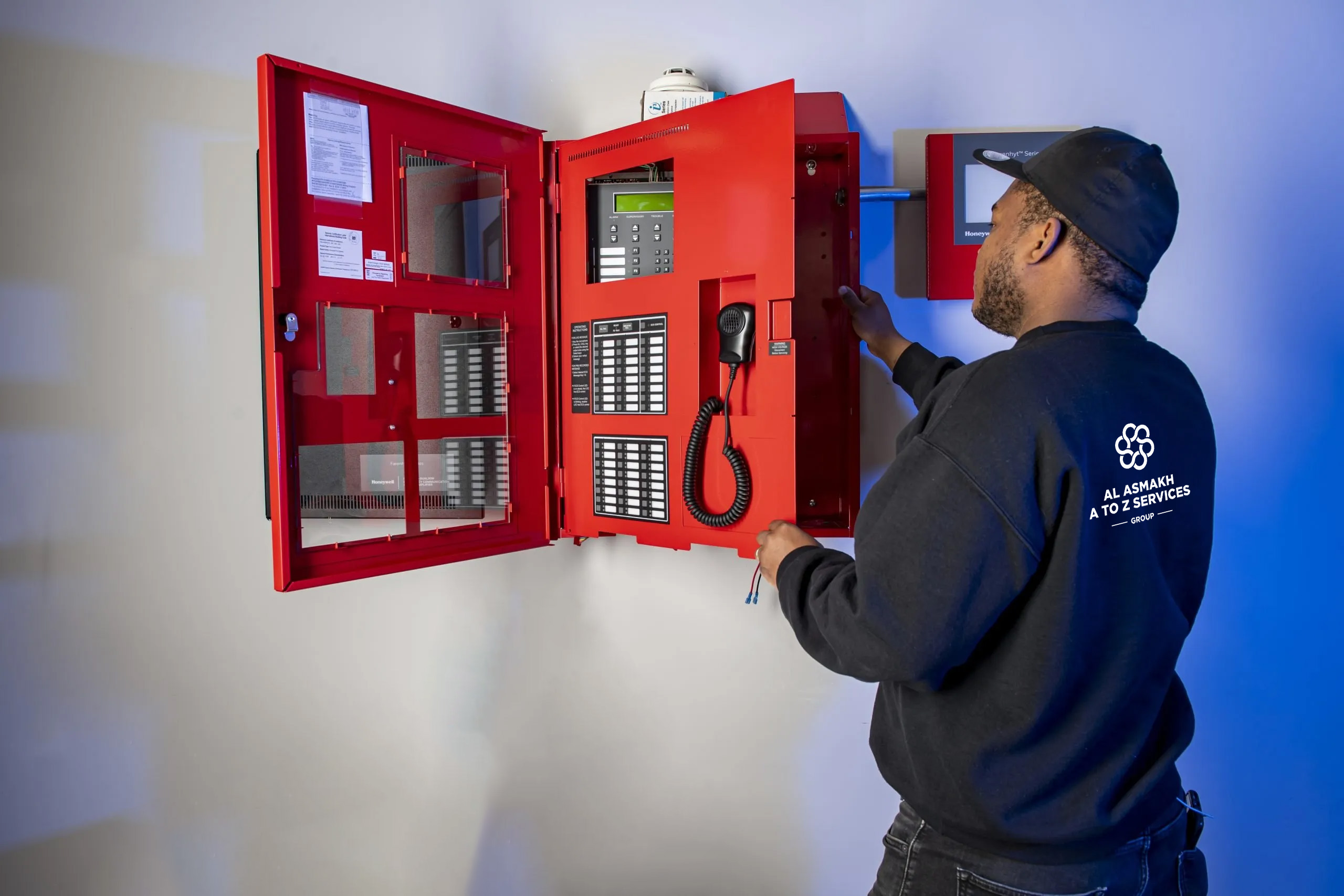
There are a few key things to keep in mind when utilizing flexible office space. First, you will need to consider the layout of the space and how it can be used to best meet the needs of your employees. Secondly, you will need to be aware of the ever-changing needs of your employees and how the space can be adapted to accommodate these needs. Finally, you will need to make sure that the space is well-maintained and that it meets all safety and security standards.
Flexible office spaces have fluctuating occupancy rates, with different numbers of employees and clients visiting the office each day. Unlike traditional office space, it can be difficult to estimate daily occupancy. The higher occupancy densities associated with flexible office space can put extra strain on amenities and resources like elevators, heating, ventilation, air conditioning (HVAC) units, building systems, and energy consumption.
Facility managers must establish measures to control occupancy density to reduce pressure on these resources. For example, managers can set a maximum number of personnel allowed in open spaces at any one time. That way, they can manage the operation of HVAC systems that control indoor air quality for optimum wellness in offices.